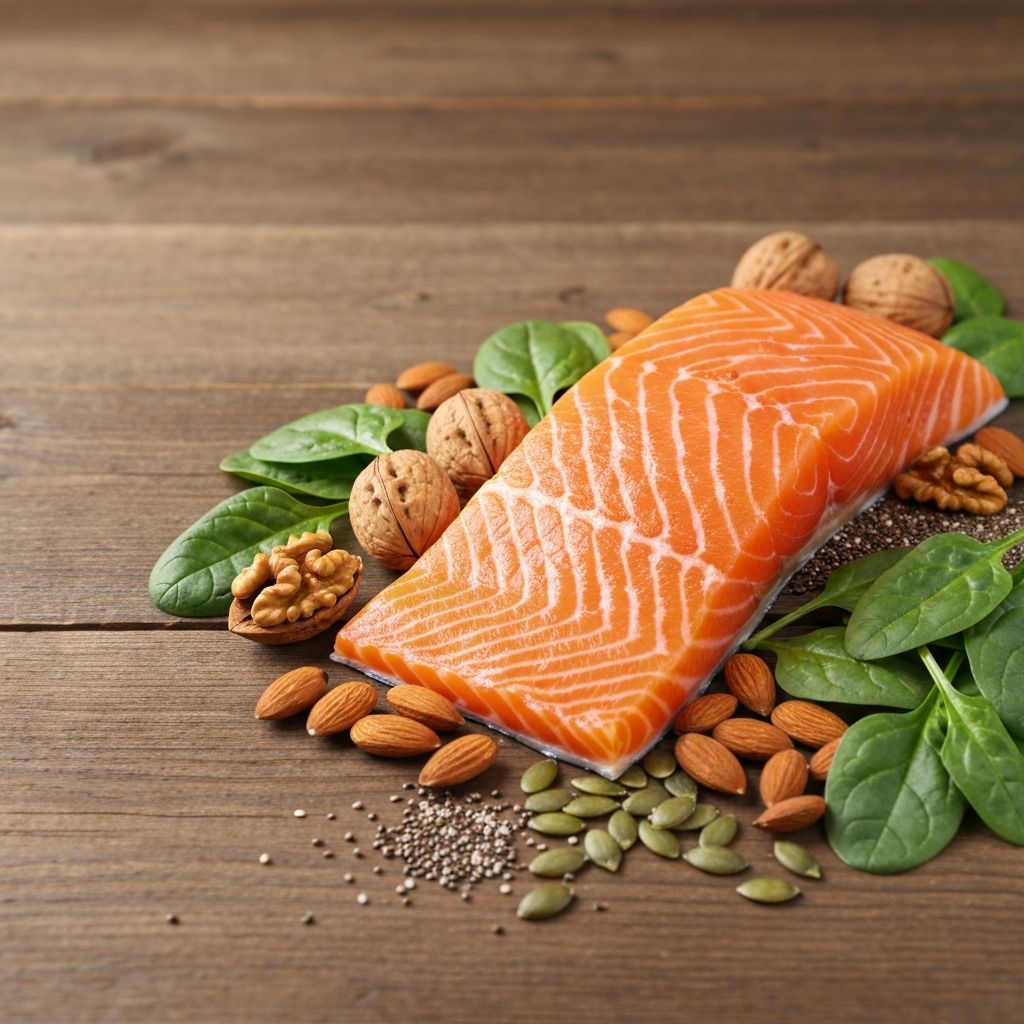
Hero background with natural nutrients

Natural Nutrient Sources for Men

Understanding the role of vitamins, minerals, and nutrients in supporting your everyday wellness

Learn More

Why Nutrients Matter for Men

A well-balanced diet rich in essential nutrients supports vital bodily functions. Vitamins and minerals play crucial roles in energy production, immune function, bone health, muscle maintenance, and cognitive performance. Understanding which nutrients are important and where to find them naturally is foundational knowledge for informed dietary choices.

This resource explains the biological significance of key nutrients and provides information about their natural food sources. We focus on science-based facts rather than personalized advice, recognizing that individual nutritional needs vary based on age, activity level, health status, and lifestyle factors.

Important: This content is educational only and does not replace professional medical advice. Individual nutritional needs vary significantly. Always consult with a healthcare provider for personalized guidance.


Essential Vitamins and Their Functions

The following table summarizes key vitamins, their primary biological roles, and examples of natural food sources:

Vitamin Primary Functions Natural Sources
Vitamin A Vision, immune function, skin health Spinach, carrots, sweet potatoes, kale
Vitamin B Complex Energy metabolism, neurological function Whole grains, eggs, almonds, salmon
Vitamin C Immune support, collagen synthesis Citrus fruits, berries, broccoli, bell peppers
Vitamin D Calcium absorption, bone health, immune function Fatty fish, egg yolks, mushrooms exposed to sunlight
Vitamin E Antioxidant protection, cell health Almonds, sunflower seeds, spinach, avocado
Vitamin K Blood clotting, bone metabolism Leafy greens, broccoli, Brussels sprouts

Natural Nutrient Sources: Key Examples

Here are three exemplary foods that serve as excellent natural sources of important nutrients:

Fresh salmon rich in omega-3 fatty acids

Salmon

Key Nutrients: Omega-3 fatty acids, Vitamin D, B vitamins, selenium

Salmon is a nutrient-dense food that provides high-quality protein and omega-3 polyunsaturated fatty acids. These compounds play important roles in cardiovascular and neurological health. Salmon also naturally contains vitamin D, which supports calcium absorption and immune function.

Raw almonds packed with vitamin E and minerals

Almonds

Key Nutrients: Vitamin E, magnesium, calcium, plant-based protein

Almonds are nutrient-dense nuts containing significant amounts of vitamin E, a fat-soluble antioxidant. They also provide magnesium, which is involved in over 300 enzymatic reactions in the body, and provide plant-based protein. A handful of almonds makes a convenient nutrient-rich snack.

Fresh green spinach leaves rich in folate and iron

Spinach

Key Nutrients: Folate, magnesium, iron, vitamins A, C, and K

Spinach is a leafy green vegetable with exceptional nutrient density. It contains folate, which supports cellular function and DNA synthesis. The iron in spinach contributes to oxygen transport, while its magnesium content supports muscle and nerve function. Fresh or cooked, spinach is a versatile nutrient source.

Natural Mineral Sources

Minerals are inorganic compounds essential for numerous bodily processes. Here are key minerals and their natural food sources:

Zinc

Zinc supports immune function, protein synthesis, and wound healing. Natural sources include oysters, beef, pumpkin seeds, and chickpeas. The bioavailability of zinc varies by source, with animal-based sources generally providing more readily absorbable forms.

Magnesium

Magnesium is involved in muscle and nerve function, energy production, and protein synthesis. Sources include pumpkin seeds, almonds, spinach, black beans, and whole grains. Magnesium status affects energy metabolism and muscular relaxation.

Selenium

Selenium functions as a component of selenoproteins, which have antioxidant and metabolic roles. Brazil nuts are exceptionally rich in selenium, along with fish, eggs, and whole grains. Even small quantities of selenium-containing foods can contribute significantly to daily intake.

Mineral-rich foods including oysters, seeds, and nuts

The Role of Omega-3 Fatty Acids

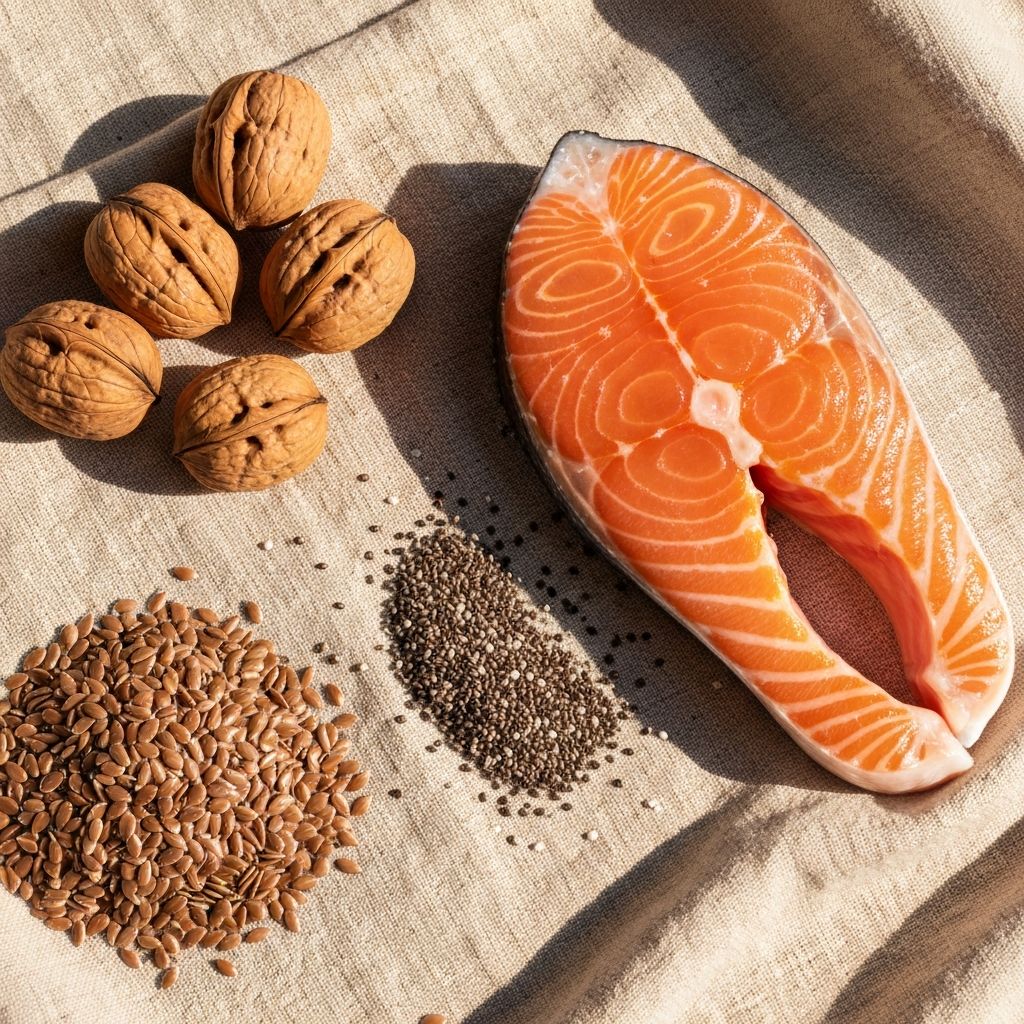
Omega-3 rich foods: salmon, walnuts, chia seeds

Omega-3 polyunsaturated fatty acids are essential lipids that the body cannot synthesize independently. They play critical roles in maintaining cell membrane integrity, supporting cardiovascular function, and modulating inflammatory responses. Research continues to explore their effects on cognitive and systemic health.

Primary sources include:

  • Fatty fish (salmon, mackerel, sardines, trout)
  • Plant-based sources (walnuts, chia seeds, flax seeds, algae-based supplements)
  • Other sources (oysters, grass-fed beef)

The types of omega-3 fatty acids differ between sources. EPA and DHA (found primarily in fish) have distinct biological roles compared to ALA (found in plant sources). Understanding these differences informs food selection based on individual preferences and dietary approaches.

Zinc and Health: Key Facts

Zinc is a trace mineral with multiple essential functions:

Immune Function

Zinc supports the development and function of immune cells. It plays a role in the innate and adaptive immune responses, contributing to the body's ability to recognize and respond to pathogens.

Protein Synthesis

Zinc is a cofactor for numerous enzymes involved in protein synthesis. This is particularly relevant for muscle maintenance and tissue repair, making it important in active individuals.

Wound Healing

Zinc supports collagen formation and tissue remodeling processes. It is necessary for proper wound healing and skin integrity, as documented in scientific literature.

DNA Synthesis

Zinc is essential for DNA and RNA synthesis, making it critical for cell division and growth. This function is especially important during periods of increased physiological demand.

Recommended Intake

Adult males typically require 11 mg of zinc daily, though requirements may vary based on individual factors. Most people consuming a balanced diet with animal products can meet these needs through natural sources.

Food Sources

Zinc content varies significantly by food. Oysters are exceptionally rich, while red meat, poultry, and legumes provide substantial amounts. The form of zinc (bioavailability) differs between animal and plant sources.

Vitamin D: Sources and Significance

Vitamin D is a fat-soluble nutrient with hormone-like functions. It plays crucial roles in calcium absorption, bone mineralization, immune regulation, and cellular differentiation. The body can synthesize vitamin D when skin is exposed to UVB radiation from sunlight, but dietary sources also contribute to vitamin D status.

Dietary sources include:

  • Fatty fish and fish oils
  • Egg yolks (particularly from pasture-raised chickens)
  • Mushrooms exposed to UV light
  • Fortified dairy and plant-based beverages

Vitamin D status is measured through blood levels of 25-hydroxyvitamin D. Geographic location, season, skin pigmentation, sunscreen use, and dietary intake all influence vitamin D levels. Individual requirements vary based on these factors.

Vitamin D rich foods: eggs, mushrooms, milk

Common Myths vs. Evidence-Based Facts

Myth: Single foods provide complete nutrition

Fact: Nutritional variety is essential. Different foods contain different nutrient profiles. A diverse diet ensures comprehensive nutrient intake and provides beneficial phytocompounds beyond basic vitamins and minerals.

Myth: All supplements are as effective as food sources

Fact: Bioavailability and the presence of synergistic compounds differ between natural food sources and isolated supplements. Foods contain complex nutrient matrices that may enhance absorption and function.

Myth: More nutrients are always better

Fact: Nutrient intake exists within a range of adequacy. Excessive intake of some nutrients can be problematic. Balanced intake within established guidelines supports optimal function.

Myth: Nutrient needs are identical for all adults

Fact: Individual factors including age, activity level, metabolism, health status, and lifestyle significantly influence nutrient requirements. Personalized assessment is appropriate for specific situations.

Understanding Daily Nutrient Intake

Recommended Dietary Allowances (RDAs) and Adequate Intakes (AIs) represent average daily nutrient levels sufficient for nearly all healthy individuals in a particular age and gender group. These values serve as guidelines for general population health but do not account for individual variations.

General Principles

Nutrient needs vary based on age, sex, activity level, health status, and life stage. What constitutes adequate intake for one person may differ for another. These guidelines represent starting points for understanding nutritional adequacy, not personalized prescriptions.

Why Individual Assessment Matters

Factors such as digestive health, medication use, pre-existing conditions, athletic activity, and genetic factors can influence both nutrient absorption and requirements. Professional assessment is valuable when considering significant dietary changes or when health concerns warrant evaluation.

Food Combination Examples for Nutrient Absorption

Certain food combinations enhance nutrient absorption and bioavailability. Here are practical examples that demonstrate how nutrient synergy works:

Salmon with quinoa and spinach meal

Salmon with Quinoa & Greens

Nutrients: Omega-3s, B vitamins, complete protein, magnesium, folate

This combination provides a complete amino acid profile through salmon's protein and quinoa's complete protein. The fat-soluble vitamins and omega-3s in salmon are better absorbed when consumed with the fat content of the meal, while leafy greens add additional minerals and phytonutrients.

Salad with leafy greens, almonds, and vegetables

Greens with Almonds & Vegetables

Nutrients: Iron, vitamin C, vitamin E, magnesium, antioxidants

Pairing iron-rich leafy greens with vitamin C-containing vegetables enhances iron bioavailability. The almonds contribute vitamin E, which works synergistically as an antioxidant with other plant compounds. The fat in almonds also improves absorption of fat-soluble vitamins from the greens.

Yogurt bowl with walnuts, banana, and honey

Yogurt with Nuts & Fruit

Nutrients: Calcium, protein, omega-3s, potassium, B vitamins

Natural yogurt provides calcium and protein. Walnuts contribute omega-3 fatty acids and minerals. Fruit adds vitamin C and bioactive compounds. This combination creates a complete nutrient profile while the protein and fat promote satiety.

Research Highlights on Nutrition

Scientific research continues to explore the relationships between nutrient intake and health outcomes. Key areas of ongoing investigation include:

Nutrient Bioavailability

Studies demonstrate that nutrient absorption varies significantly based on food matrix composition, preparation methods, and individual digestive characteristics. Research explores how different forms of nutrients (e.g., different iron forms) affect absorption.

Synergistic Effects

Emerging research indicates that nutrients function not in isolation but as part of complex systems. The interaction between phytonutrients, minerals, and vitamins creates effects that exceed the sum of individual components.

Dietary Patterns

Long-term epidemiological studies examine how overall dietary patterns influence health outcomes. Rather than focusing on single nutrients, research increasingly explores comprehensive eating patterns and their associations with various health measures.

Individual Variation

Genetic research identifies variations in nutrient metabolism and requirements among individuals. Personalized nutrition, informed by genetic and metabolic markers, represents an emerging area of scientific investigation.

Why Individual Nutrient Needs Differ

Nutritional requirements are not universal. Multiple factors create meaningful differences in how much of each nutrient an individual requires:

Activity Level

Regular physical activity increases requirements for certain nutrients, particularly B vitamins for energy metabolism, minerals for muscle function, and protein for tissue maintenance. Intensity and duration of activity influence specific nutrient needs.

Digestive Health

Gastrointestinal conditions affect nutrient absorption. Conditions like celiac disease, inflammatory bowel disease, or chronic digestive issues may require modified approaches to ensure adequate nutrient intake.

Medications

Many medications interact with nutrient absorption or metabolism. Certain prescriptions may deplete specific nutrients or enhance requirements for others, making professional medical consultation valuable.

Age and Life Stage

Nutritional requirements change across the lifespan. Different life stages have specific needs based on physiological changes, hormonal shifts, and changing metabolic demands.

Genetic Factors

Genetic variations influence nutrient metabolism rates and requirements. Some individuals have genetic variations that affect how efficiently they metabolize or utilize specific nutrients.

Overall Health Status

Existing health conditions, recovery from illness, or management of chronic diseases may all influence nutrient needs. Health-related consultation can help establish appropriate nutritional approaches.

Explore More About Nutrition

This resource provides foundational information about natural nutrient sources and their roles in supporting everyday wellness. For personalized dietary guidance, health condition management, or specific concerns, professional consultation with a healthcare provider or registered dietitian is recommended.

Read Frequently Asked Questions